


Emerging evidence suggests that the modern male health profile is shifting in ways that were previously unobserved. While much of the conversation around men’s wellness focuses on cardiovascular health or metabolic function, prostate health is often ignored until noticeable symptoms appear. Research indicates that the combination of chronic stress, sedentary habits, and the digital lifestyle may contribute to a silent decline in prostate and pelvic wellness long before a clinical diagnosis is made.
Introduction — A Growing but Overlooked Health Concern
I have noted that lifestyle-related health issues in men are reaching an inflection point. In my observations of current health trends, there is a clear correlation between the rise of high-pressure professional environments and a decline in reproductive and urinary comfort. Prostate health, which men often overlook, is not just a concern for the elderly. It is increasingly becoming a focus for younger demographics who spend the majority of their waking hours in front of screens.
Clinical observations suggest that the prostate is highly sensitive to the physiological state of the body. When we experience constant stress or remain physically inactive for long periods, the body’s internal environment shifts. These modern habits create a perfect storm of hormonal imbalance and circulatory stagnation. Understanding these links is the first step toward preventive care.
Understanding the Prostate: Function and Importance
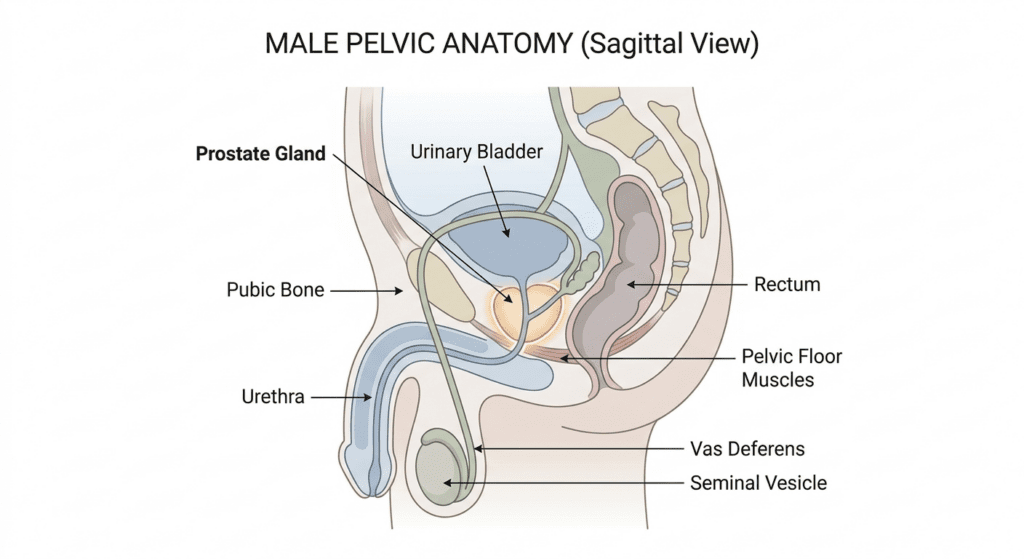
To understand the impact of lifestyle, we must first look at the gland itself. The prostate is a small, walnut-sized gland located just below the bladder, surrounding the urethra. Its primary role is in the reproductive system, where it secretes a slightly alkaline fluid that forms part of the semen. This fluid is essential for the motility and survival of sperm, making the prostate a cornerstone of male reproductive health.
Beyond reproduction, the prostate plays a role in urinary regulation. Because it encircles the urethra, any change in its size or the tension of the surrounding muscles can impact the flow of urine. Physiological studies show that the prostate is densely packed with nerve endings and is highly responsive to blood flow. This makes it particularly sensitive to changes in the pelvic environment, including inflammation and muscle tension.
How Sedentary Living Impacts Prostate Function
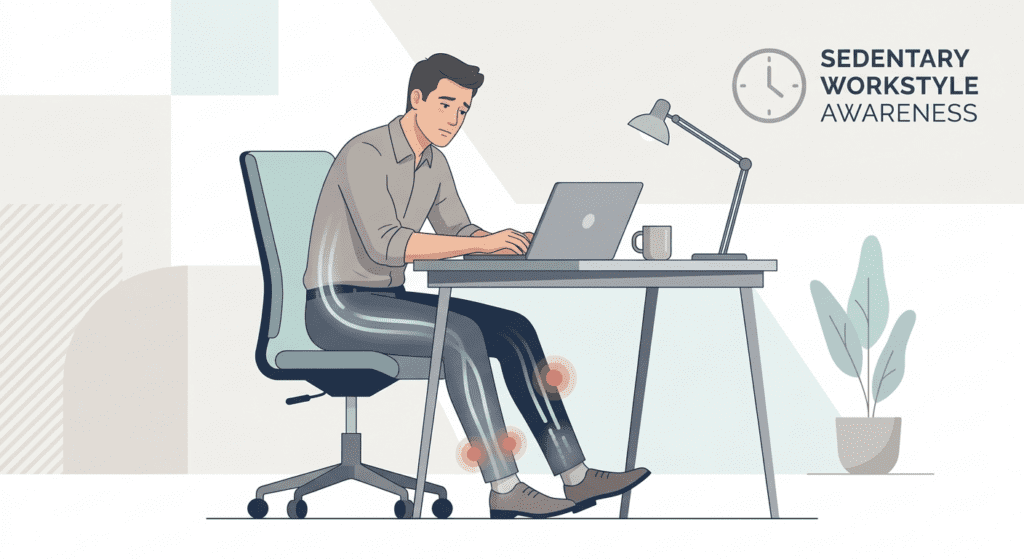
The shift toward an office-based, digital-first lifestyle has significant implications for pelvic health. Sedentary lifestyle prostate health suffers from a phenomenon often described as pelvic floor stagnation. When I examine the mechanics of sitting for eight to ten hours a day, the physical compression of the pelvic region is clear. This long-term pressure may lead to reduced blood circulation in the area.
Mechanism-based explanations for this decline often focus on venous congestion. When the legs and gluteal muscles remain inactive, blood flow back to the heart slows down. In the pelvic cavity, this can cause blood to pool, leading to a state of chronic low-level inflammation. Furthermore, pelvic muscle inactivity can cause the muscles supporting the prostate to become either overly weak or chronically tight. This lack of movement disrupts the natural “pumping” action that helps maintain healthy tissue oxygenation.
The Role of Chronic Stress in Hormonal and Sexual Health
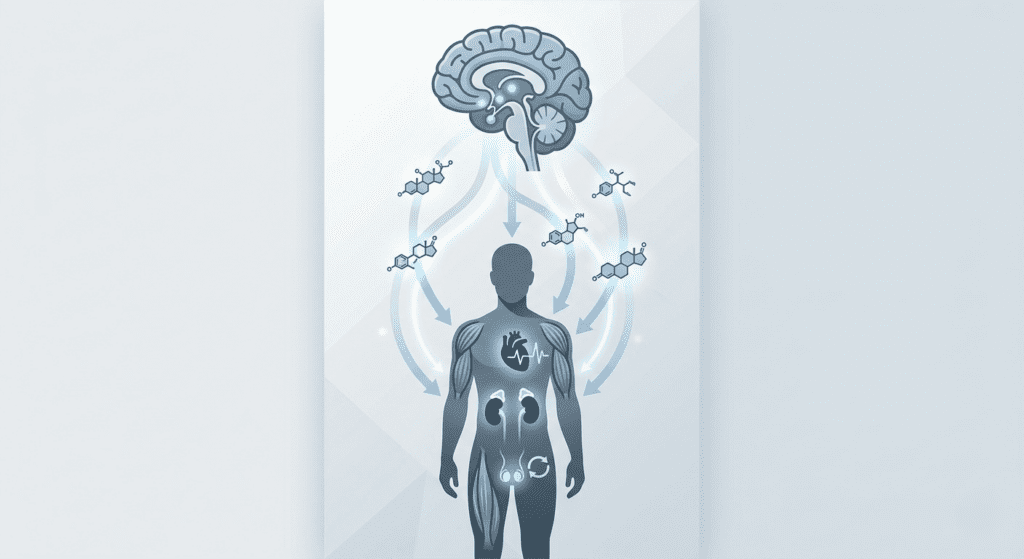
The impact of stress on prostate health is perhaps the most overlooked factor in modern wellness. I have seen how the body’s hormonal response to pressure creates a chain reaction. When we are under chronic stress, the adrenal glands release high levels of cortisol. Emerging evidence suggests that prolonged cortisol elevation has an inverse relationship with testosterone production.
This cortisol and testosterone imbalance can lead to a reduction in libido and overall reproductive function. From a neurological perspective, stress keeps the body in a state of sympathetic nervous system dominance—the “fight or flight” mode. For optimal prostate and sexual function, the body needs to be in a parasympathetic state, which is the “rest and digest” mode. When the nervous system is out of balance, the nerves controlling the pelvic region may become hyper-reactive, leading to discomfort or reduced sensitivity.
Circulation and Nerve Health: The Hidden Factors
I believe that the foundation of men’s health lies in two areas: blood flow and nerve function. Blood circulation and prostate health are inextricably linked. The endothelial cells lining the blood vessels must produce nitric oxide to ensure proper dilation and flow. Poor diet, lack of exercise, and aging can impair this process, leading to what is known as endothelial dysfunction.
Nerve sensitivity and response are equally critical. The pudendal nerve, which travels through the pelvic region, is responsible for transmitting sensations and controlling muscle contractions. Chronic pressure from sitting or high levels of systemic stress can irritate these nerves. This may contribute to a loss of response or a feeling of vague pelvic heaviness. Focusing on microcirculation and nerve health is what most health discussions miss, yet it is where the most significant preventive gains can be made.
Early Signs Often Ignored
Many men wait for significant pain before seeking advice, but the body often sends subtle signals much earlier. Clinical observations suggest that mild urinary changes—such as a slightly weaker stream or a more frequent urge to use the bathroom at night—can be early indicators of a pelvic environment that is out of balance.
Reduced sensitivity or a general sense of discomfort in the lower pelvic region are also signs that should not be ignored. These are not necessarily signs of disease, but rather signals that the body is struggling with stress and poor circulation. Identifying these signs of prostate health problems early allows for lifestyle interventions that can prevent more significant issues in the future.
Lifestyle Strategies to Support Prostate Health
Promoting a proactive health mindset involves more than just “avoiding” bad habits; it requires active support of the body’s systems. Physical activity is paramount, particularly movements that engage the hips and pelvic floor. Stretching and pelvic movement help alleviate the tension caused by long sitting hours and encourage healthy blood flow back to the prostate.
Dietary choices also play a supportive role. Research indicates that certain nutrients are vital for maintaining the integrity of prostate tissue. Zinc is found in high concentrations within healthy prostate fluid and is essential for cellular repair. Omega-3 fatty acids, found in fatty fish and flaxseeds, help manage systemic inflammation. Hydration is equally important, as it ensures that the urinary system can flush out metabolic waste effectively. Stress reduction techniques, such as deep diaphragmatic breathing and improving sleep hygiene, help shift the body back into a parasympathetic state, supporting hormonal balance.
The Role of Non-Invasive Wellness Approaches
In recent years, some individuals have started to explore non-invasive wellness approaches aimed at supporting circulation and muscle relaxation. These modern wellness tools focus on external stimulation or physiological support rather than pharmaceutical intervention. For instance, muscle stimulation therapy and circulation support devices are being looked at as ways to counteract the physical toll of sedentary living.
These approaches are designed to encourage blood flow and relieve the chronic tension held in the pelvic floor. When used as part of a broader lifestyle strategy that includes exercise and stress management, these non-invasive methods may help maintain the vitality of pelvic tissues. The goal is to provide the body with the mechanical and circulatory support it needs to function optimally in an increasingly static world.
When Medical Attention Is Necessary
While lifestyle changes are powerful, they are not a replacement for professional medical oversight. I always emphasize the importance of early consultation if symptoms become persistent. Pain, significant urinary difficulty, or sudden changes in reproductive function require a clinical evaluation.
Preventive care includes regular check-ups that monitor biomarkers of prostate health. Modern medicine offers various diagnostic tools to assess the state of the prostate and surrounding tissues. Being proactive and having an established relationship with a healthcare provider ensures that any physiological changes are caught early, when they are most manageable.
Scientific Foundation and Clinical References
To provide a deeper understanding of the mechanisms discussed in this article, I have compiled a list of key research papers and clinical guidelines. These sources explore the physiological relationship between lifestyle, stress, and pelvic health.
Research on Stress and Hormonal Balance
The intersection of the nervous system and the endocrine system is a primary factor in men’s health. These studies detail how cortisol disrupts natural hormonal rhythms:
- The HPG Axis and Stress: A study on how the hypothalamic-pituitary-gonadal axis responds to chronic stress, leading to suppressed testosterone production. View Research on PubMed
- Cortisol and Reproductive Function: Clinical insights into how elevated glucocorticoids (stress hormones) impact male reproductive vitality. Read in The Journal of Clinical Endocrinology & Metabolism
Studies on Sedentary Behavior and Pelvic Health
Physical inactivity is a significant driver of pelvic congestion. The following resources provide the data behind these lifestyle risks:
- Sitting Time and Prostate Stress: Research linking prolonged sedentary behavior to an increase in inflammation markers within the pelvic region. Access via Journal of Physical Activity and Health
Clinical Guidelines for Preventive Care
These institutional resources offer a broader context for maintaining long-term wellness and identifying early symptoms:
- Prostate Health Awareness: A comprehensive guide on the signs of prostate-related issues and the importance of early detection. Mayo Clinic Health Information
Conclusion — Prevention Over Reaction
Lifestyle awareness is the most effective tool we have in modern wellness. The link between prostate health, stress, and our daily habits is undeniable. By understanding the mechanism-based explanations for how our environment affects our bodies, we can make informed choices that support long-term vitality.
Small changes in how we manage our physical activity, stress levels, and nutritional intake have a cumulative impact. Shifting toward a preventive health mindset allows men to maintain their quality of life well into their later years. The future of male health is not about reacting to symptoms but about building a foundation of wellness that can withstand the demands of the modern world.


